







Search Results for: First Crack and Second Crack
Physical and Chemical Changes in Coffee Bean Roasting: A Complete Analysis from Green Bean Processing to First and Second Crack
The flavor code of a good cup of coffee is often already written during the roasting stage. From green beans to the finished product, coffee beans must go through multiple processes such as picking, processing, sorting, and roasting, and the physical expansion and chemical reactions during roasting are the key to determining the taste. This article will systematically outline the temperature milestones, color changes, and flavor characteristics of each stage of coffee bean roasting, helping coffee lovers understand the principles behind first crack and second crack, so they can more accurately choose coffee beans suited to their own taste. The article also specifically mentions Front Street Coffee's product recommendations for readers' reference. [more…]
In-Depth Analysis of Coffee Roasting: A Complete Guide to First and Second Crack Temperature Points and the Taste Differences Between Light and Dark Roasts
The flavor code of coffee beans is, to a large extent, written during the roasting stage. From green beans to that rich aroma in the cup, every temperature milestone and every crack sound during roasting directly affects the acidity, bitterness, and aroma layers in the final result. Where exactly is the dividing line between dark roast and light roast? What do first crack and second crack each mean? Under different roast levels, how will coffee's taste change? This article will systematically sort through roasting terminology and core principles to help coffee lovers build a clear cognitive framework for roasting, while also drawing on the practical experience of Front Street Coffee to provide reference for everyday bean selection and brewing. [more…]
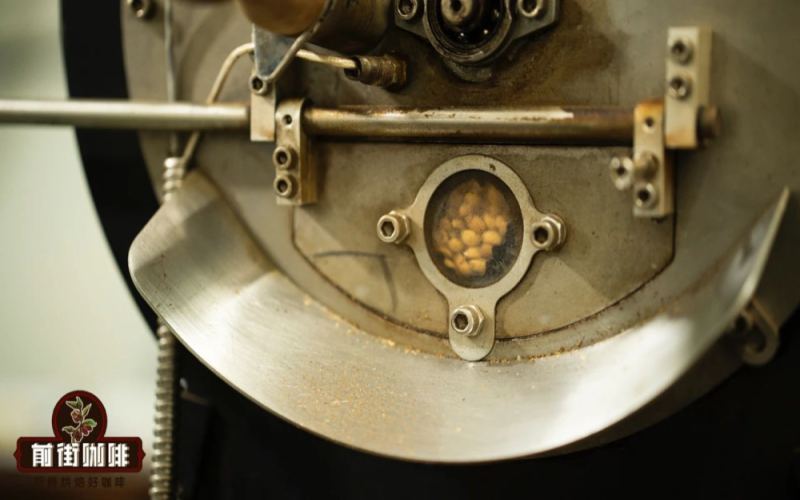
An Analysis of Flavor Differences in Light, Medium, and Dark Roasted Coffee Beans: From Dehydration to Second Crack—The Roasting Curve and Temperature Reference for Blue Mountain No. 1
Roasting is the key stage that determines the direction of coffee flavor; the same green beans will present completely different aromas and tastes under different roast levels. Starting from the roasting practice of FrontStreet Coffee, this article systematically sorts out the complete roasting process of coffee beans from bean charging, dehydration, first crack to second crack, explains the specific flavor performance of light, medium, and medium-dark roast levels in cupping, and introduces the Agtron color value as a scientific judging standard. Taking sun-dried Yirgacheffe as an example, the article provides the yellowing point, first crack temperature, development time, and drop temperature data for three roast levels, and also lists Front Street's representative bean list for each roast level, including Blue Mountain No. 1, the Mandheling series, etc., to help enthusiasts build a corresponding understanding between roast level and flavor. [more…]
From Homogenization to Second Crack: How Each Stage of Coffee Roasting Shapes Aroma and Flavor
Coffee roasting is not just about applying heat—from the moisture changes inside the green beans to the expansion and rupturing of cellular structures, every stage quietly determines the final flavor in the cup. This article takes the perspective of a commercial roaster to systematically sort through key phases such as homogenization, first crack, the resting period, and second crack. It explains the principles behind the aroma that fills the air during coffee roasting and clarifies the taste differences corresponding to various roast levels, helping coffee enthusiasts gain a deeper understanding of how roasting influences flavor direction. [more…]

How Does Coffee Bean Roast Level Affect Flavor and Mouthfeel? A Detailed Explanation of Temperature Changes and Color Value Criteria at Each Stage
The alluring flavor of coffee depends to a great extent on the physical and chemical changes that occur during roasting. From bean drop through dehydration, first crack, and second crack, every temperature node and duration shapes what ultimately ends up in the cup. In this article, Front Street Coffee will systematically walk through the temperature progression of each stage of coffee bean roasting, and, using a natural-process Yirgacheffe as an example, compare the specific flavor differences in cupping among light, medium, and medium-dark roasts, while also introducing the Agtron color value as a scientific criterion to help readers more accurately understand the correspondence between roast level and flavor. In addition, the article compiles representative beans from Front Street's lineup at different roast levels, making it easy for coffee lovers to follow the guide and find the cup that suits their taste. [more…]
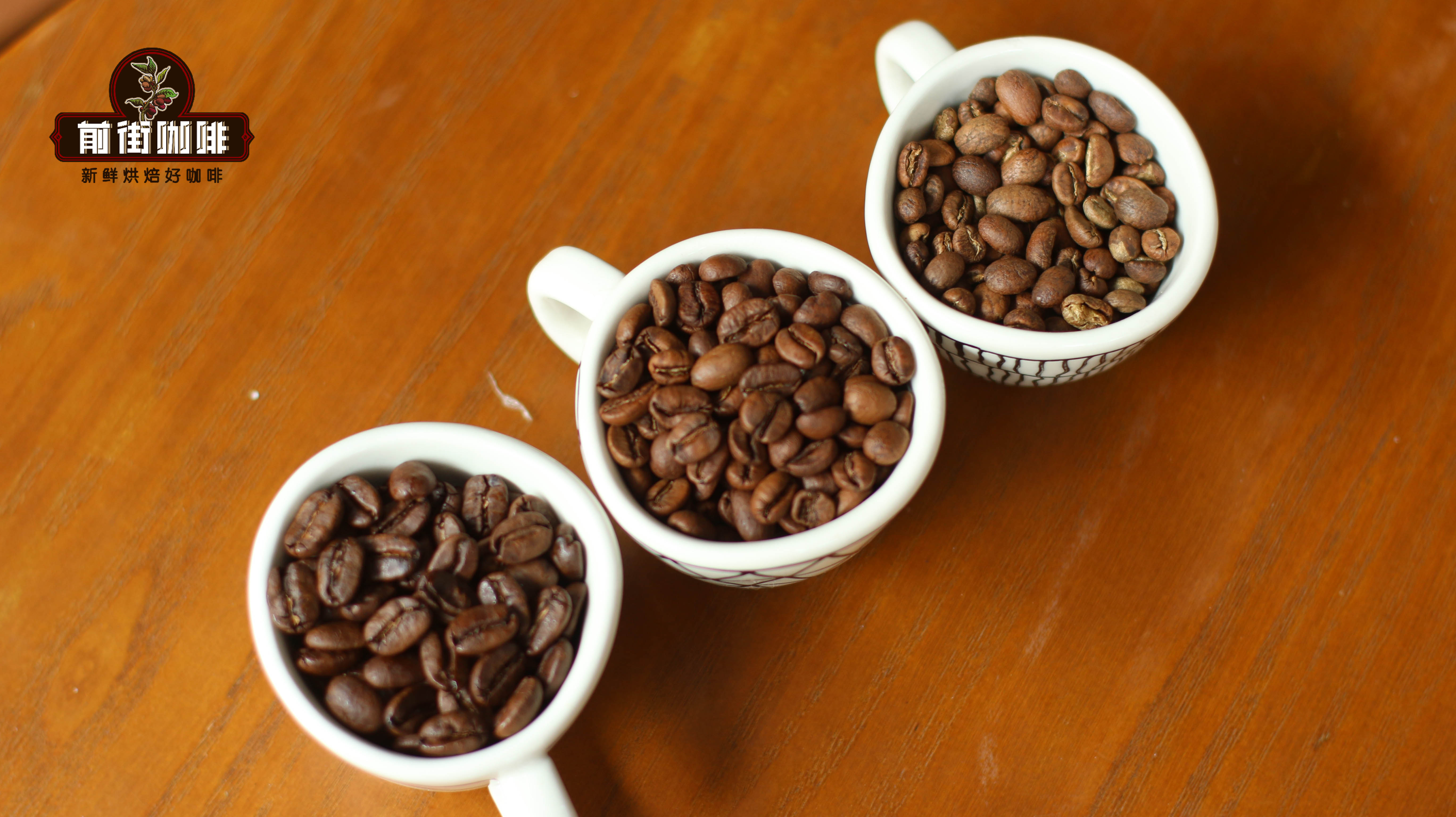
Coffee Bean Roast Level Guide: Flavor Differences and Selection Tips from Light Roast to Espresso Roast
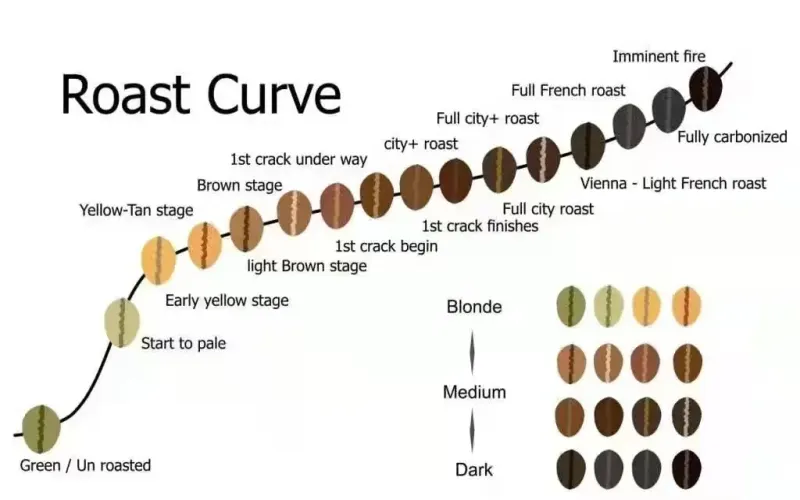
The transformation of coffee beans from green raw beans to brown roasted beans depends entirely on the key process of roasting. As roasting time varies, the surface color of the beans changes accordingly, giving rise to different classifications of roast levels. The Specialty Coffee Association of America (SCAA) established a reference system of 8 levels based on Agtron color values, from light roast to Italian roast, with each stage corresponding to a unique flavor direction and unloading timing. This article will use a text-and-image format to analyze one by one the color value ranges of each roast level, the rhythm nodes of first crack and second crack, and the evolution logic of acidity, sweetness, and bitterness. It will also introduce two niche styles—Nordic ultra-light roast and Japanese ultra-dark roast—and share how Front Street Coffee simplifies classification in actual production to help consumers understand roast levels. Finally, it will include practical advice on the five stages of roasting and home roasting. [more…]
Practical Guide to Judging the Yellowing Point and First Crack in Coffee Roasting: Analyzing the Causes of Baked and Astringent Flavors
In the process of learning coffee roasting, there is often a gap between theoretical understanding and hands-on practice. This article focuses on judging two key milestones—the yellowing point and first crack—analyzing one by one the visual and auditory misjudgments that beginners easily make. It also offers temperature and aroma as auxiliary indicators for the yellowing point, and explains how misjudging first crack can lead to grassy, underdeveloped flavors and astringency in coffee. Drawing on Front Street's roasting course philosophy, the article also reminds readers not to mechanically copy curve data, but to understand the logic behind the data, so as to find a roasting path that truly suits them. [more…]
A Complete Analysis of Coffee Bean Roast Levels: Temperature, Taste, and Time Comparison from Light Roast to Espresso Roast
The roasting degree of coffee beans directly determines the flavor profile of the final cup. From the bright acidity of a light roast to the rich, bittersweet depth of a dark roast, each stage has its own unique temperature range, timing, and visual characteristics. This article systematically breaks down the complete process of coffee beans from light roast, medium roast, medium-dark roast to dark roast, and includes a detailed comparison table to help you understand the flavor changes and suitable applications of different roasting stages. Whether you are a beginner pour-over enthusiast or a seasoned player pursuing the ultimate flavor, this guide can provide you with practical reference. The article also specifically retains product recommendations from Front Street Coffee for your reference when making purchases. [more…]
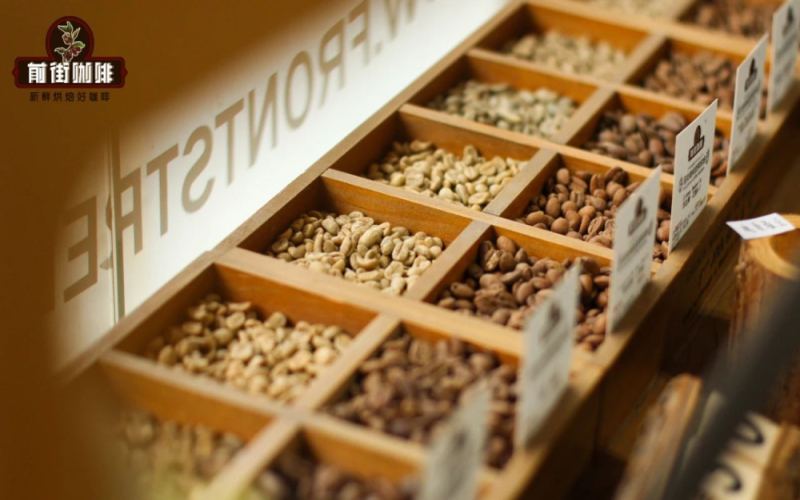
From Agtron Color Values to the Second Crack: A Complete Guide to Coffee Roast Levels and Brewing in Practice
What standards actually determine whether a coffee bean package is labeled light, medium, or dark roast? What flavor directions correspond to different roast levels? Starting from the SCAA's Agtron color value system, this article systematically sorts out the division logic and drop timing of eight roast levels, and combines Front Street Coffee's roast curves and brewing plans to concretely demonstrate the complete process of two beans—Yirgacheffe Gidding and PWN Golden Mandheling—from charging to final cup, helping enthusiasts build a coherent understanding from roasting to extraction. [more…]
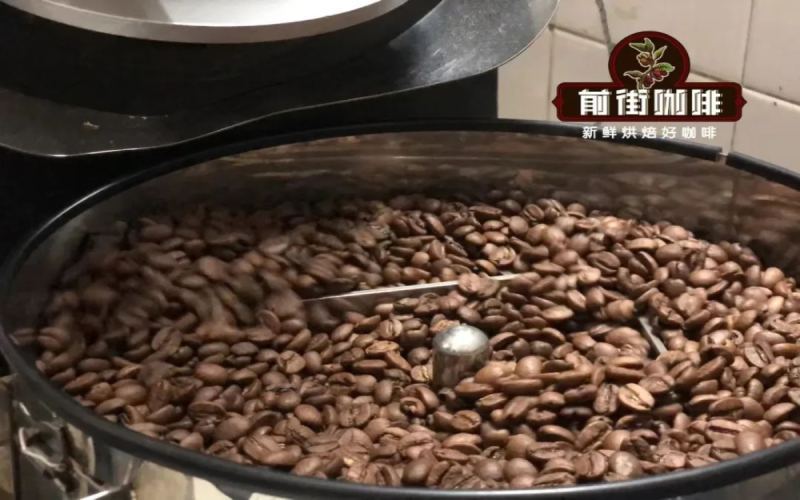
A Complete Guide to Coffee Roast Levels: First Crack, the Eight-Level Agtron Color Classification, and What Roasting Percentage Really Means
What degree of coffee roasting is considered appropriate? Starting from the key milestone of first crack, this article systematically sorts out the logic for determining coffee bean roast level, and with the help of Agtron color values, divides roast degree into eight levels: light, cinnamon, medium, deep, city, full city, French, and Italian, explaining one by one the timing for dropping each level and its flavor direction. At the same time, it answers the correspondence between the Roasting percentage markings commonly used by roasters and Agtron color values, helping coffee enthusiasts quickly understand the roasting information on packaging. The article also includes Front Street Coffee's specialty bean recommendation channel for further communication and purchasing. [more…]
From Light Roast to Espresso Roast: A Full Analysis of the Eight-Level Coffee Bean Roast Classification and the Five Major Stages
Coffee beans transform from green raw beans into brown roasted beans entirely through the key process of roasting. The length of roasting time directly determines the depth of the bean surface color and also shapes completely different flavor directions. The roasting color standard card established by the Specialty Coffee Association of America (SCAA) divides roast levels into eight grades, from light roast to Italian roast, with each level corresponding to a specific drop time and flavor characteristics. In addition, emerging concepts such as Nordic ultra-light roast and Japanese ultra-dark roast have gradually entered the view of enthusiasts. This article will systematically sort out these eight levels, the five stages of roasting, and the classification methods used by Front Street Coffee in practical applications, helping readers build a complete understanding of coffee roast levels. [more…]
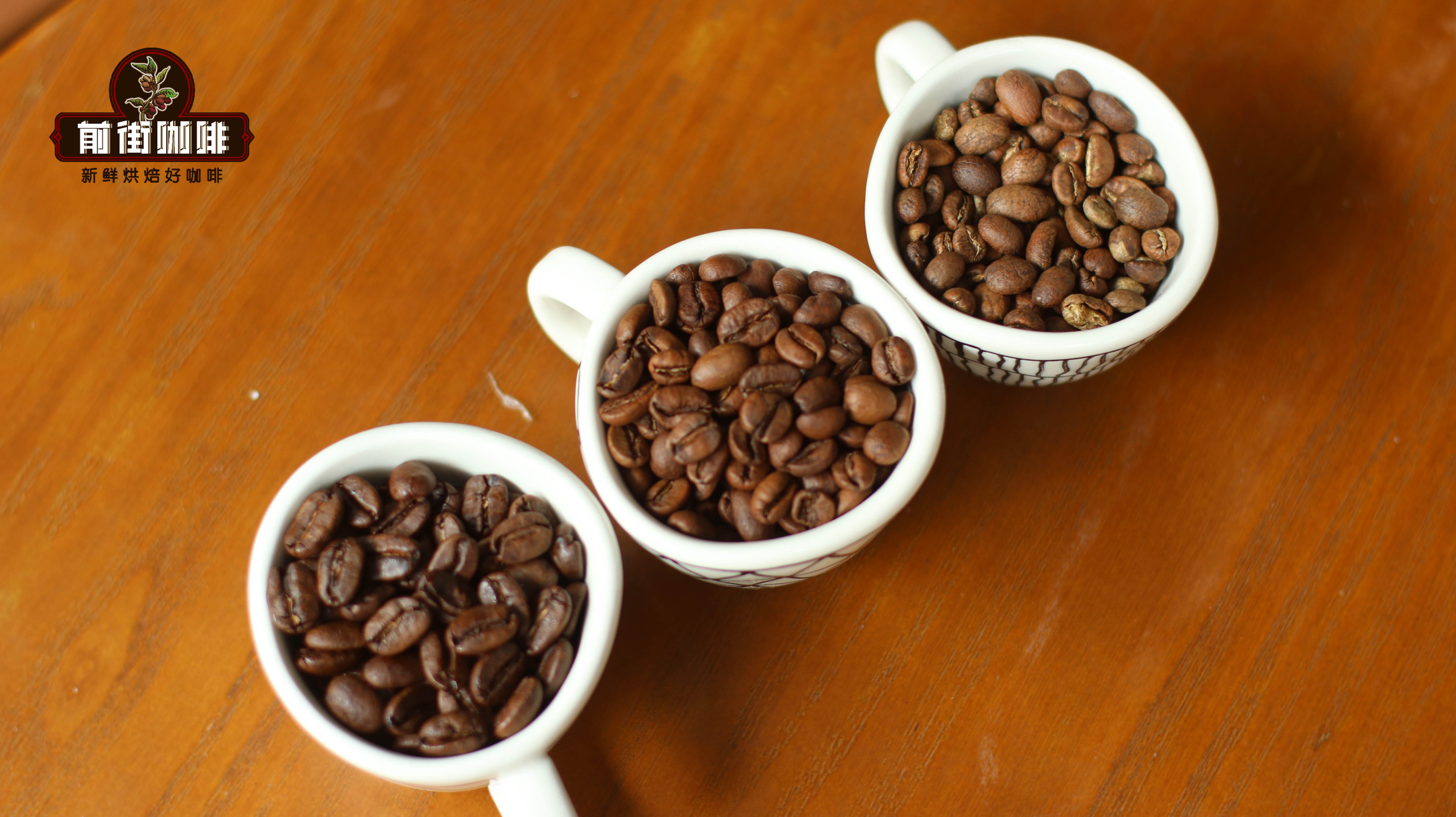
Coffee Bean Roast Levels Illustrated | What Do Japanese Extremely Dark Roast and Nordic Extremely Light Roast Mean? Which Tastes Better, Medium or Dark Roasted Coffee Beans?
Roasting is the process of turning green coffee beans into brown roasted beans~ The longer the roasting time and the longer the beans are exposed to heat, the darker the color of the coffee beans becomes. The surface color (bean surface) of the coffee beans when taken out of the roaster after different durations will also vary. This situation Front Street [more…]
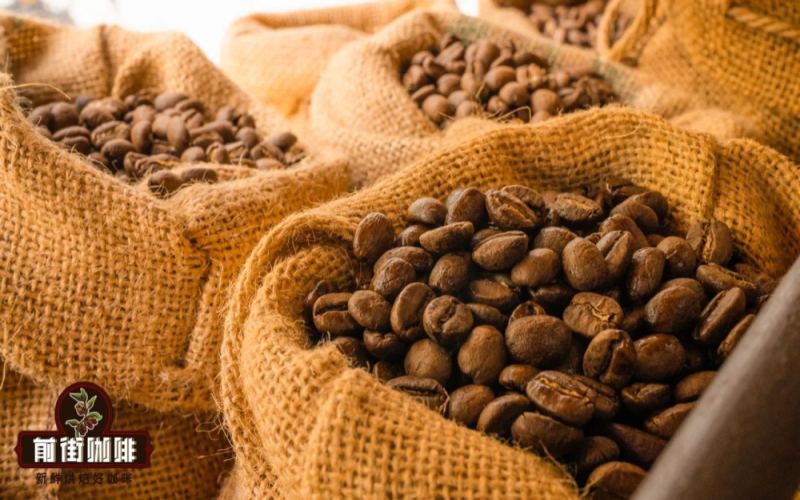
The Complete Guide to Home Coffee Bean Roasting: From Equipment Selection to First and Second Crack Determination and Detailed Flavor Differences
More and more people are no longer satisfied with just brewing and tasting—they want to control the entire process from green beans to roasted beans. But after buying green beans and bringing them home, many people have no idea how to roast them, what tools to use, or how to control the heat. This article, drawing on the practical experience of Front Street Coffee, outlines practical methods for roasting coffee beans at home: how to judge roasting progress by color and cracking sounds, what first crack and second crack each represent, how different roast levels affect flavor and mouthfeel, and the pros, cons, and precautions of three tools—the drum roaster, pan roasting, and the electric oven. After reading, you will at least understand when to adjust the heat, when you can stop the roast, and why roasting too dark is not worth recommending. [more…]
Comparison of Eight Coffee Bean Roast Levels|How do different roast levels affect coffee flavor? What is the specific process for roasting coffee beans?
Anyone who drinks coffee regularly knows that coffee beans come in different roast levels, and the flavor and mouthfeel they present are all different. As a café that roasts its own beans, Front Street has dozens of batches of coffee beans to roast every day. We know the flavors of light-roasted Yirgacheffe, medium-roasted Brazilian coffee, and the like like the back of our hand, and we also need to [more…]
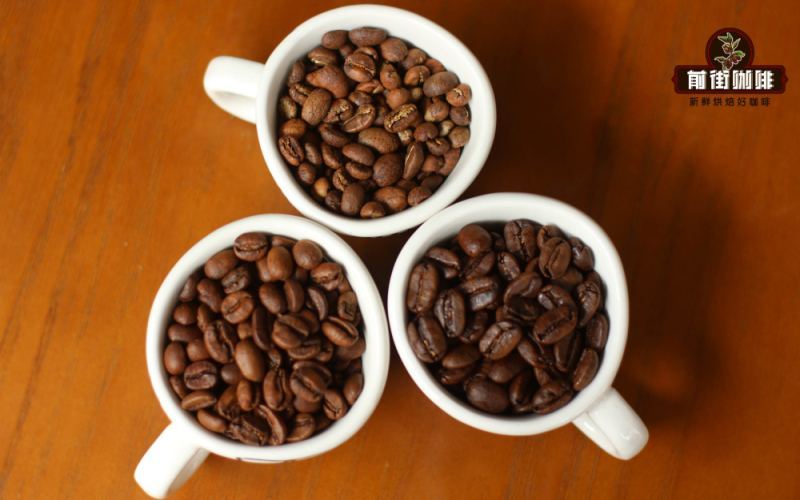
From Light to Dark: A Comprehensive Analysis of Eight Coffee Roast Levels and a Practical Operational Guide
Coffee roasting is the core step that determines the flavor direction of a cup of coffee. From green beans to the drink in your cup, the degree of roast directly governs the balance of acidity, sweetness, and bitterness. This article systematically sorts out eight common roast levels, the working principles of three types of coffee roasters, and the mechanisms by which caramelization and the Maillard reaction shape flavor. It also records in detail Front Street Coffee's operational procedures and curve management experience in actual roasting, helping coffee enthusiasts build a complete cognitive framework from theory to practice. [more…]
A Comprehensive Guide to Coffee Bean Roast Levels: From SCAA Color Value Grading to Front Street Coffee's Practical Brand Classification
Coffee roasting is the key process through which green beans transform into brown roasted beans. The length of heat exposure directly determines the color of the bean surface and thus defines different roast levels. The SCAA, the world's largest coffee trade association, established an eight-level roast standard based on Agtron color values, from the bright acidity of light roasts to the intense, smoky bitterness of Italian roasts, with each stage having its own distinctive flavor trajectory and drop time. Beyond this official system, new concepts such as ultra-light Nordic roasting and ultra-dark Japanese roasting have gradually entered enthusiasts' field of view. In everyday communication, Front Street Coffee uses another, more intuitive classification that simplifies roasted beans into light, medium-light, medium, medium-dark, and dark roasts, making it easier for consumers to understand and choose. This article will systematically organize these grading standards and provide an in-depth analysis of the five stages of roasting and key practical points. [more…]
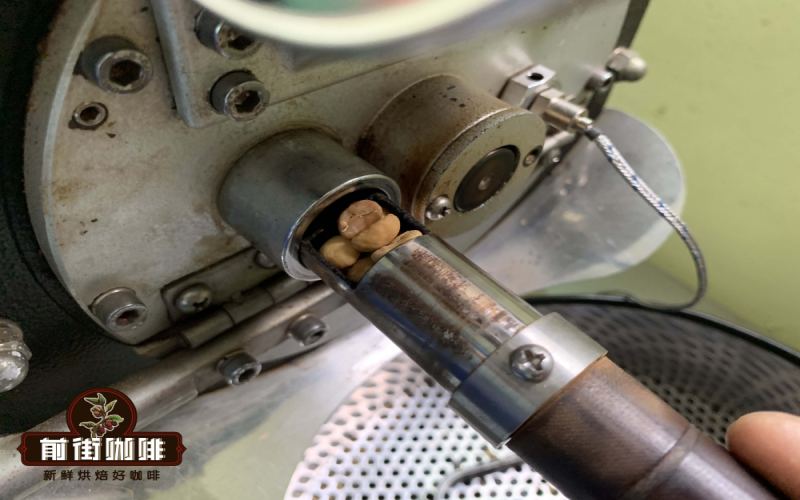
How Are Coffee Bean Roast Levels Distinguished? Flavor Differences Between Light, Medium, and Dark Roasts and Front Street Coffee’s Dark Roast Bean Recommendations
During the process of roasting green coffee beans into mature beans, they go through multiple stages such as dehydration, yellowing, first crack, and second crack, and different dropping times determine the final roast level. This article starts from the physical changes during the roasting stages, explains why it is difficult to accurately judge the roast level by color alone, and then breaks down the flavor characteristics and representative beans of each of the three categories: light, medium, and dark. The article [more…]
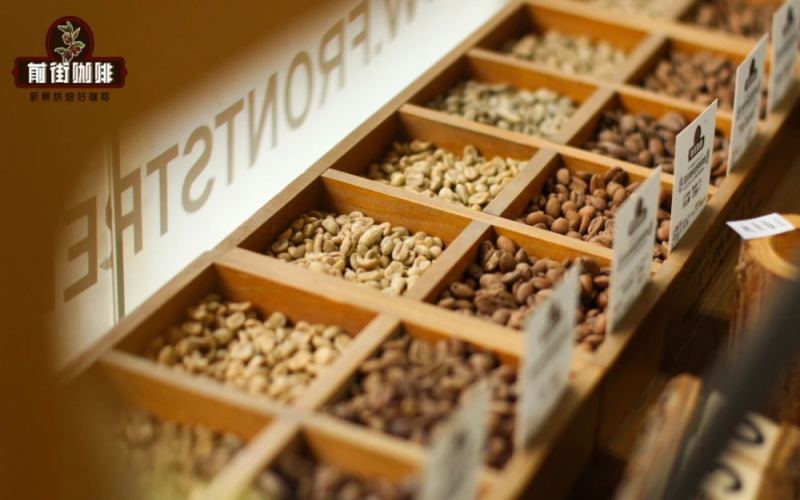
How to Choose the Roast Level for Yirgacheffe? Flavor Differences Between Light and Dark Roasts and Brewing Parameters Explained
Roasting is the key process that determines the flavor direction of a cup of coffee. Using Front Street Coffee's roasting of Yirgacheffe as an entry point, this article systematically sorts out the basics of coffee roasting: how green beans transform under heat, the weight-loss differences between fast roasting and slow roasting, the rule by which the three major elements of acidity, sweetness, and bitterness rise and fall as roasting time changes, and the two landmark stages of first crack and second crack. The article also analyzes one by one the flavor characteristics of light roast and medium roast, gives roasting degree recommendations separately for washed and natural Yirgacheffe, and includes Front Street's medium-light roast plan for Yirgacheffe Red Cherry as well as V60 three-pour brewing parameters, helping you brew a cup full of floral and fruity aromas at home too. [more…]
A Complete Guide to Coffee Roast Levels: Flavor Characteristics from Light to Dark Roast and Front Street Coffee Bean Recommendations
The roast level of coffee beans is one of the core factors determining the flavor direction of a cup of coffee. From green beans to roasted beans, moisture is gradually lost during the roasting process, and the beans go through stages such as dehydration, yellowing, first crack, and even second crack. Depending on the timing of removal from the roaster, coffee can be simply divided into three roast levels: light, medium, and dark. Under different roast levels, the ratio of acidity to bitterness, aroma complexity, body, and sweet aftertaste of coffee all show noticeable differences. This article will systematically sort out the characteristics and taste performance of each roasting stage, and combine them with specific bean offerings from Front Street Coffee to provide coffee lovers with a clear reference for choosing. [more…]
A Detailed Guide to Designing the Roast Curve for Yirgacheffe Coffee Beans: A Complete Approach from Temperature Rise Rhythm to Light Roast Brewing
Yirgacheffe is renowned for its vibrant floral and fruity flavors, but to fully unlock the potential of these beans, the design of the roasting curve is crucial. Based on actual roasting cases of Front Street Yirgacheffe, this article systematically outlines the core logic behind roasting curve design—how to determine the optimal drop time through hypothesis, sampling, and cupping, and analyzes the key operational points of a slow, light roast in conjunction with green bean characteristics. The article also provides a detailed record of the complete roasting process, from charge temperature and heat adjustments to the timing of first crack, as well as parameter corrections and flavor comparisons across two rounds of V60 brewing, offering coffee enthusiasts a Yirgacheffe roasting and brewing guide that combines theoretical foundations with practical reference. [more…]